

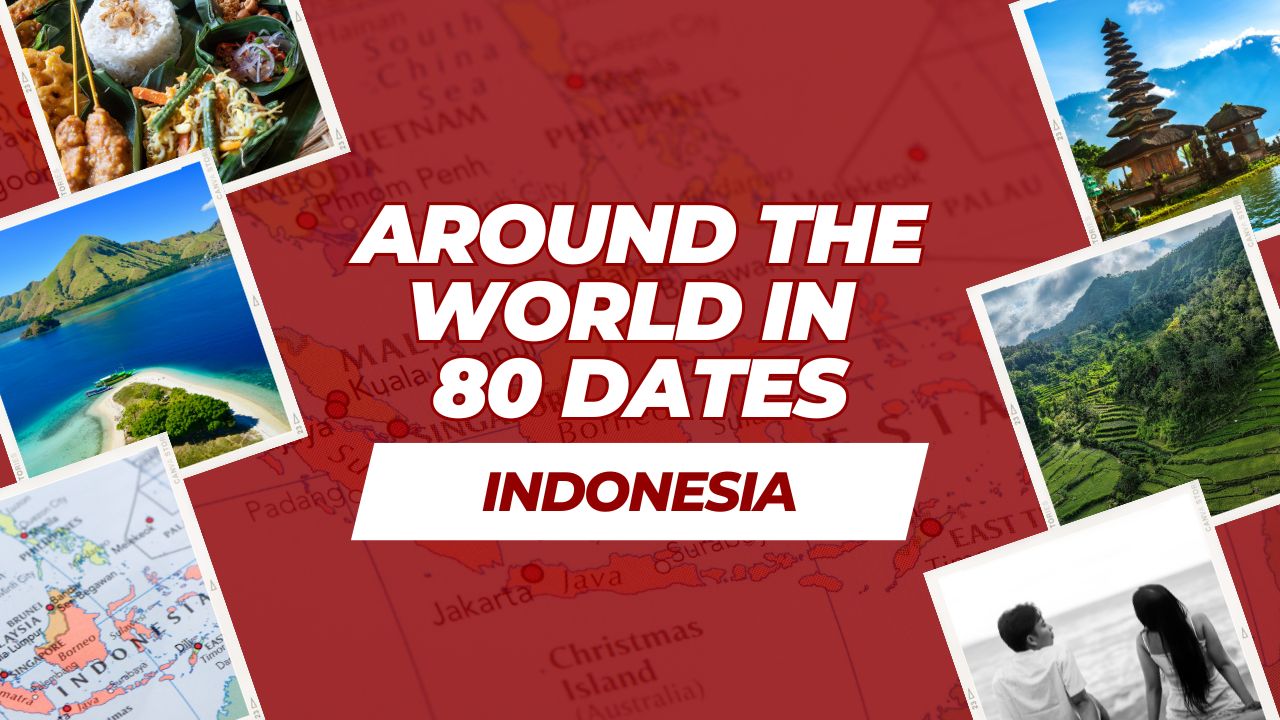
Introduction: Islands of Love and Layers of Meaning
Indonesia is a country where romance can feel both thoroughly modern and deeply connected to trad:contentReference[oaicite:0]{index=0}ons, religious beliefs, regional identities and the growing independence of younger generations. A couple sharing coffee in a fashionable Jakarta café may approach relationships very differently from two people courting in a conservative town, while Bali, Yogyakarta, Surabaya and the islands beyond Java each bring their own social rhythm to love.
That variety is precisely what makes dating in Indonesia so fascinating. There is no single Indonesian rulebook for romance. The country is home to numerous ethnic communities, languages and faiths, and dating expectations can change according to location, family background, education and personal values. In cosmopolitan areas, couples may meet through university, work, friendship groups or dating apps. Elsewhere, introductions through relatives, religious communities and trusted friends remain influential.
Indonesian dating also contains a compelling tension between personal choice and collective responsibility. Many people want the freedom to choose their own partner, yet they may still care deeply about whether that partner will be accepted by parents and extended family. A relationship can therefore involve more than compatibility between two individuals. Questions about faith, character, career prospects, family reputation and long-term intentions may enter the conversation surprisingly early.
For international daters, this does not mean every relationship is immediately heading towards marriage. It does mean that apparently casual questions can carry greater significance than expected. Asking about religion, family or future plans may be a way of understanding whether a relationship could work in the real world.
As part of Around the World In 80 Dates, this guide explores how Indonesians meet, flirt, date and commit. From modern apps and affectionate local phrases to family-centred proposals and unforgettable island settings, dating in Indonesia reveals a culture where love is personal, but rarely exists in isolation.
A country of many romantic realities
The most important principle is to avoid treating Indonesia as culturally uniform. Some couples date openly and independently, while others prefer discreet relationships or a structured introduction with marriage in mind. Successful dating begins with curiosity, clear communication and respect for the values of the person in front of you.
Love and Dating Culture
Dating in Indonesia often begins with the idea of pacaran, the everyday Indonesian term for being in a romantic relationship. For many younger people, particularly in cities, pacaran resembles dating elsewhere. Couples meet for meals, visit cafés, attend concerts, explore shopping centres, travel together or spend hours messaging one another. Yet the social meaning of becoming an official couple can be significant, especially when a relationship becomes visible to family and friends.
Indonesians sometimes use the informal expression jadian when two people become a couple. Before that point, one person may nembak, literally “shoot”, but colloquially meaning to declare their feelings or ask the other person to make the relationship official. The language may sound playful, but clarity matters. An extended period of chatting or spending time together does not always mean both people understand the relationship in the same way.
Family is often part of the future
Family approval remains important in many Indonesian relationships. Parents may be interested in a partner’s manners, education, employment, religion and treatment of elders. Meeting the family can therefore represent a meaningful step rather than a routine social visit. Arriving neatly dressed, greeting relatives politely and showing genuine interest in the household can leave a stronger impression than an extravagant gesture.
This family involvement should not automatically be mistaken for control. Many Indonesians independently choose their partners while still valuing parental advice. The balance varies enormously. Some adults introduce a partner only when the relationship is serious, while others discuss their dating lives openly from the beginning.
Faith and long-term compatibility
Religion can influence dating expectations, physical boundaries, family approval and marriage plans. Indonesia has Muslim, Christian, Hindu, Buddhist, Confucian and other communities, each containing a wide range of personal interpretations. For some daters, shared faith is essential. For others, an interfaith relationship may be possible but requires difficult conversations about ceremonies, children and family acceptance.
Among some Muslim Indonesians, ta’aruf offers an alternative to conventional dating. This is a purposeful process of getting to know a potential spouse, often with clear boundaries and some degree of family, religious or intermediary involvement. It should not be confused with forced marriage. Consent remains central, and individuals may decide not to proceed.
Gender expectations are also changing. Traditional assumptions that men should initiate, organise and pay for dates still appear in some relationships, but many urban couples prefer shared planning and greater equality. Rather than relying on stereotypes, discuss preferences naturally. Offering to pay is courteous; accepting a suggestion to divide the bill can be equally respectful.
Public affection tends to be more restrained than in some Western countries. Holding hands may be comfortable in many places, but passionate kissing can attract disapproval. Aceh is exceptionally conservative and enforces regional Sharia bylaws, making discretion especially important. Indonesia’s diversity means sensitivity to local surroundings is always wiser than assuming one standard applies nationwide.
Romantic Hotspots & Traditions
Indonesia offers almost every imaginable setting for romance, from candlelit city restaurants and volcanic sunrises to temple landscapes and tropical beaches. Bali naturally dominates international perceptions, but dating in Indonesia becomes far more interesting when couples look beyond the familiar honeymoon imagery.
In Bali, an early breakfast overlooking the rice terraces near Ubud can lead into a day of galleries, craft villages and quiet walks. Coastal areas offer sunset dinners, surf lessons and beachside cafés, while visits to temples or traditional performances provide cultural depth. Couples should dress respectfully at sacred sites and remember that Bali’s relaxed tourism atmosphere does not remove the importance of local etiquette.
Yogyakarta is ideal for daters who prefer history, art and conversation. A visit to the Kraton, a batik workshop or the atmospheric Taman Sari Water Castle can be followed by street food and live music. Nearby Borobudur and Prambanan create memorable backdrops, although a thoughtful date is often as simple as sharing coffee while discussing the city’s creative life.
Jakarta provides an entirely different rhythm. Rooftop views, contemporary galleries, food markets and neighbourhood coffee shops suit busy professionals who want a convenient escape from demanding schedules. Bandung is known for cooler air, scenic drives and a thriving café culture, while Surabaya combines historic districts, modern restaurants and easy access to East Java adventures.
For couples seeking something spectacular, Labuan Bajo offers harbour sunsets and sailing trips towards Komodo National Park. Lombok, Sumba, Raja Ampat and the islands around Bintan provide further possibilities for couples who value nature, privacy and shared adventure. Travel should always be planned responsibly, with attention to local communities and environmental protection.
Small gifts with personal meaning
Flowers, chocolate and thoughtful keepsakes are familiar romantic gifts, particularly in cities and around birthdays, anniversaries or Valentine’s Day. Food can be equally meaningful. Bringing a favourite snack or an oleh-oleh, a small speciality brought back from a journey, shows that someone was remembered while apart.
Expensive gifts early in a relationship may feel excessive. Something connected to a shared joke, favourite food or previous conversation usually communicates greater attention. When visiting a partner’s family, a modest gift that can be shared, such as fruit, pastries or a regional delicacy, may be more appropriate than an intensely personal present.
From proposals to family ceremonies
Indonesian engagement and wedding traditions vary dramatically by region and ethnic background. A formal family proposal is often known as a lamaran. The families may meet to discuss the couple’s intentions, offer blessings and begin planning the marriage. Gifts known as seserahan may accompany the process, sometimes including clothing, food, jewellery, toiletries or symbolic household items.
Javanese couples may incorporate a cleansing ritual called siraman and other ceremonies involving family blessings. Batak families may present woven ulos cloth, while communities elsewhere have their own clothing, gift exchanges and rituals. Jambi’s berinai tradition uses henna as part of wedding preparation, while Balinese Hindu weddings follow distinct religious and family customs.
Modern couples frequently adapt these traditions rather than following every stage. A private proposal may come first, followed by a formal family event. What remains consistent is the understanding that marriage often connects families as well as individuals.
Online Dating in Indonesia
Online dating has become an established part of modern Indonesian social life, especially among urban professionals, students, travellers and people whose schedules make traditional introductions difficult. It gives users access to potential partners beyond their immediate workplace, university, neighbourhood or family network, which can be particularly valuable in an archipelago where distance shapes everyday life.
Tinder, Bumble, Tantan and Badoo are among the recognisable platforms used in Indonesia, although popularity varies by city, age group and dating intention. IndonesianCupid also serves people specifically interested in meeting Indonesian singles, including international users. Some daters prefer global platforms with large membership pools, while others look for communities that feel more relationship-focused or culturally specific.
Profiles often contain clues about faith, lifestyle and long-term intentions. References to prayer, family, education, travel, career ambitions or marriage are not simply decorative details. They may indicate what a person considers essential in a partner. Reading the full profile before starting a conversation is therefore particularly important.
Clarity improves digital chemistry
One advantage of online dating is the ability to discuss important compatibility questions before arranging a meeting. However, beginning with an interrogation about marriage, religion and children can feel overwhelming. Start with shared interests, then allow deeper subjects to develop naturally.
State your own intentions honestly. Phrases such as “looking for a serious relationship”, “open to meeting new people” or “dating with marriage in mind” reduce confusion. Avoid claiming to want commitment merely because it appears culturally appropriate. Indonesian daters are individuals, and many will recognise inconsistency between a profile and someone’s behaviour.
English is widely used by some educated and internationally minded daters, but not everyone feels equally confident with it. A few words of Bahasa Indonesia can make an opening message warmer, provided they are used respectfully. Messages that mention something specific from the profile generally stand out more than comments focused entirely on appearance.
Distance, privacy and safety
Online dating can connect people from different islands, cities, religions and social backgrounds, but that wider pool also introduces practical challenges. Long-distance relationships may require patience, careful budgeting and realistic conversations about where a shared future could be built.
Fake profiles, financial scams, harassment and misleading relationship claims are risks in Indonesia just as they are elsewhere. Video chat before meeting, choose a busy public location and tell a trusted person where you are going. Arrange your own transport, protect your home and workplace details, and never send money to someone you have only met online.
International users should be particularly cautious of anyone who quickly introduces an emergency, investment opportunity, visa problem or request for financial support. Genuine affection does not require abandoning sensible boundaries.
The strongest online connections usually move beyond endless swiping. A focused conversation, a safe first meeting and respectful follow-through reveal far more than weeks of vague messages. Technology may create the introduction, but reliability, kindness and shared values determine whether the match becomes meaningful.
Key Dating Phrases in Indonesia
Bahasa Indonesia is relatively approachable for beginners because it uses the Latin alphabet and does not require grammatical gender. Pronunciation can vary slightly by region, but most words are spoken much as they are written. Learning a few romantic expressions demonstrates interest and can also make an ordinary date feel more personal.
Indonesians frequently move between formal language, casual speech and regional slang. Saya is the more formal word for “I”, while aku feels personal and informal. Kamu means “you”, but using someone’s name can occasionally sound gentler, particularly before the relationship becomes close.
- Halo, apa kabar? “Hello, how are you?” Pronounce it approximately as “HAH-loh, AH-pah KAH-bar”. It is simple, friendly and suitable for an opening message.
- Boleh kenalan? “May we get to know each other?” Pronounce it “BOH-leh keh-NAH-lan”. This is a polite way to begin a conversation without sounding overly intense.
- Mau ngopi bareng? “Would you like to have coffee together?” Pronounce it “mow ngo-PEE BAH-reng”. Bareng is an informal word for “together”, making the invitation relaxed and natural.
- Kamu cantik sekali. “You are very beautiful.” Pronounce it “KAH-moo CHAN-tik seh-KAH-lee”. Cantik is generally used when complimenting a woman.
- Kamu ganteng banget. “You are really handsome.” Pronounce it “KAH-moo GAN-teng BANG-et”. Banget is conversational and means “very” or “really”.
- Senyummu manis. “Your smile is sweet.” Pronounce it “seh-NYOOM-moo MAH-nis”. It feels warmer and more specific than a generic appearance-based compliment.
- Aku suka sama kamu. “I like you.” Pronounce it “AH-koo SOO-kah SAH-mah KAH-moo”. This communicates romantic interest without the intensity of declaring love.
- Aku sayang kamu. “I care deeply about you” or “I love you.” Pronounce it “AH-koo SAH-yang KAH-moo”. Sayang conveys affection and tenderness, although it can also be used lovingly between relatives.
- Aku cinta kamu. “I love you.” Pronounce it “AH-koo CHIN-tah KAH-moo”. This is direct and strongly romantic, so save it for a relationship where the emotion is genuine.
- Kapan kita ketemu lagi? “When shall we meet again?” Pronounce it “KAH-pan KEE-tah keh-TEH-moo LAH-gee”. It is an excellent phrase for ending a successful date.
- Hati-hati di jalan. “Take care on your way.” Pronounce it “HAH-tee HAH-tee dee JAH-lan”. Indonesians often use this caring expression when someone is travelling home.
Tone matters as much as vocabulary. A memorised declaration delivered too quickly can feel theatrical, while one sincere sentence used at the right moment can be charming. Avoid pet names until you understand how the other person feels about them. Sayang, meaning “dear” or “darling”, is affectionate once mutual closeness has been established, but may sound presumptuous from a stranger.
The safest approach is to combine a local phrase with your normal personality. Say Mau ngopi bareng?, suggest a specific café and allow the conversation to do the rest.
Celebrity Indonesian Couples
Celebrity relationships attract intense interest in Indonesia, where actors, singers and public figures often have enormous social media audiences. Their weddings can introduce regional clothing and family rituals to millions of followers, while their interviews frequently prompt wider conversations about privacy, commitment, careers and cross-cultural relationships.
Maudy Ayunda and Jesse Choi
Singer, actress and writer Maudy Ayunda married Jesse Choi on 22 May 2022. They met while studying at Stanford University in the United States, and their relationship drew attention partly because it crossed national and cultural backgrounds. Choi is Korean American, while Maudy is one of Indonesia’s best-known young public figures.
Their story stands apart from the constant exposure associated with many celebrity romances. Maudy kept much of the relationship private before announcing the marriage, allowing the partnership to develop without turning every milestone into public entertainment. In May 2026, the couple marked their fourth wedding anniversary with affectionate social media posts, confirming that they remained together.
The relationship interests the public because it combines education, international experience and a willingness to build a shared life across cultures. It also demonstrates that privacy does not necessarily indicate secrecy or uncertainty. For modern couples surrounded by pressure to document everything, their approach suggests that intimacy can be protected without being hidden.
Putri Marino and Chicco Jerikho
Actors Putri Marino and Chicco Jerikho married on 3 March 2018. Their wedding was relatively intimate, and they later welcomed their daughter, Surinala Carolina Jarumilind. Both partners have continued working in Indonesia’s entertainment industry while navigating the public curiosity that accompanies a high-profile marriage.
Like many celebrity couples, they have periodically faced rumours and speculation. Yet Chicco shared family photographs at the beginning of 2026 showing the couple and their daughter together. Their story remains compelling because it reflects the challenge of maintaining family life while both partners have visible, demanding careers.
Putri has also spoken candidly about the speed of major life changes and the importance of continuing to pursue personal ambitions. That honesty makes the relationship more interesting than a polished image of perfection. It reminds audiences that commitment can involve adjustment, difficult reflection and the protection of each person’s identity.
Neither couple represents every Indonesian relationship. Together, however, they illustrate themes that resonate strongly within the country: education, family, privacy, cultural adaptation and the negotiation between individual ambition and partnership.
Lessons for Love
Dating in Indonesia offers a valuable reminder that love does not happen separately from culture. Even when attraction begins privately, relationships eventually encounter family, faith, geography, work and social expectations. Rather than seeing these influences as obstacles, thoughtful couples can use them to understand one another more completely.
Ask what matters before making assumptions
A question about religion or family may feel unusually serious during early dating, but it can reflect practical concerns rather than judgement. Respond honestly and ask what the subject means to the other person. Two people can use the same religious label while having completely different expectations about dating, marriage and daily life.
The same principle applies to gender roles and paying for dates. Some people appreciate traditional gestures, while others value equality and shared decision-making. Courtesy means listening rather than performing a script.
Respectful pacing can create deeper intimacy
Indonesian dating culture often places value on discretion, patience and considerate behaviour. Restraint should not be confused with a lack of affection. A message asking whether someone arrived home safely, remembering a favourite food or making an effort with relatives can communicate more than a dramatic public display.
Consistency is especially important. Keeping plans, replying honestly and explaining changes demonstrates respect. Grand romantic statements are less persuasive when everyday behaviour is unreliable.
Families deserve understanding, not stereotypes
Family involvement can be supportive, complicated or both. A partner may genuinely value parental approval while also wanting control over their own future. International daters should avoid forcing a choice between love and family. Instead, learn what acceptance requires, identify boundaries and decide together which compromises are reasonable.
This does not mean tolerating prejudice, manipulation or disrespect. Healthy relationships still require autonomy and mutual protection. Cultural sensitivity works best when it operates in both directions.
Let technology introduce, not define, the relationship
Dating apps expand possibilities, but a large pool of matches does not remove the need for discernment. Profiles cannot reveal how someone behaves during inconvenience, disagreement or uncertainty. Move towards safe real-world meetings when comfortable, and pay attention to whether words and actions agree.
The broadest lesson from dating in Indonesia is that curiosity strengthens love. Learning a phrase, understanding a family custom or asking why a tradition matters communicates humility. Cross-cultural dating succeeds not because differences disappear, but because both people become skilled at discussing them.
Love may be universal, but it is never culturally empty. The more carefully we observe how another person understands affection, loyalty and commitment, the more intelligently we can build relationships of our own.
Conclusion: Finding Harmony Across the Archipelago
Dating in Indonesia is a meeting point between tradition and change. Couples may discover one another through relatives, university, work, social media or a swipe on a dating app. They may enjoy an independent city relationship, follow a structured religious introduction or combine modern romance with formal family ceremonies.
What makes the Indonesian approach distinctive is its awareness that a relationship has a wider context. Family connections, religious identity, local customs and future responsibilities often matter alongside attraction. This can make dating feel more complex, but it can also encourage conversations that many couples elsewhere postpone until much later.
Indonesia’s geographical and cultural diversity prevents easy generalisations. A date in Jakarta may involve a rooftop restaurant and a conversation about careers. In Yogyakarta, it could centre on art, heritage and street food. Bali offers beaches and spiritual landscapes, while Labuan Bajo, Lombok and the islands beyond invite couples to build intimacy through shared adventure.
The most successful approach is not to memorise a rigid set of rules. It is to remain observant. Dress appropriately for the setting, be modest with public affection, communicate your intentions and show interest in the people who matter to your partner. Learn enough Bahasa Indonesia to create warmth, but let sincerity carry the conversation.
Indonesian romance also demonstrates that traditional values and personal independence are not always opposites. Many couples choose their own partners while seeking family blessings. Others adapt engagement and wedding customs to fit modern careers, international backgrounds or more equal relationships. Culture survives not only by remaining unchanged, but by continuing to hold meaning for the people practising it.
Through Online Dating UK, daters can explore how relationships differ across borders while recognising the qualities that connect them: trust, respect, attraction, patience and emotional courage.
Whether you are hoping to meet someone in Indonesia, dating an Indonesian partner or simply broadening your understanding of global romance, approach the experience with openness rather than assumptions. Listen carefully, ask thoughtful questions and allow affection to develop at a pace that feels right for both people.
Ready to turn cultural curiosity into a genuine connection? Join the Online Dating UK community and begin meeting people who are equally serious about discovering new possibilities in love.